

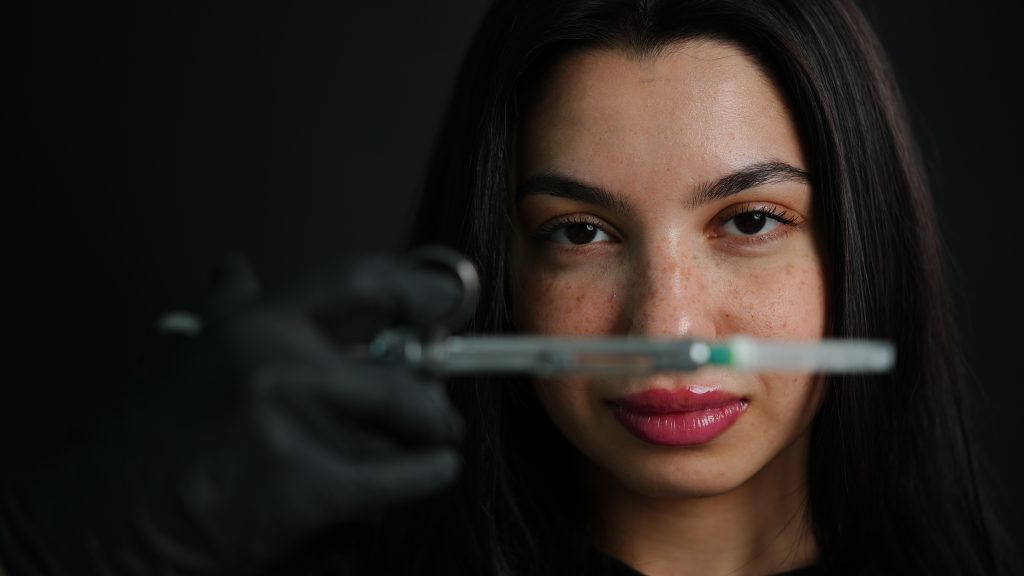
Skilled Care for Your Oral Health:
Oral Surgery Services at Oval Dental Clinic
Expert Oral Surgery and Dental Implants
Our Oral Surgery Services
- Tooth Extractions: Gentle removal of damaged, decayed, or impacted teeth to protect surrounding teeth and gums.
- Wisdom Tooth Removal: Safe removal of impacted or misaligned wisdom teeth to prevent pain, swelling, or infection.
- Bone Grafting: Restores bone tissue in areas where bone has been lost, preparing the jaw for successful implant placement.
- Sinus Lifts: Adds bone to the upper jaw and lifts the sinus membrane, creating a secure base for dental implants.
- Surgical Exposures: Uncovering impacted teeth, such as canines, to support orthodontic treatment.
- Cyst and Tumor Removal: Removal of benign cysts or growths from the jaw or soft tissues to protect oral health.
- Frenectomy: Reshaping or removing a tight frenum (lip or tongue tie) to improve function, speech, or comfort.
- Pre-Prosthetic Surgery: Reshaping gums and bone to ensure dentures or full-arch implants fit securely and comfortably.

Who Is the Best Candidate for Oral Surgery?
- Jawbone loss or facial trauma
- Oral cysts, tumors, or abnormal growths
- Orthodontic complications requiring surgical exposure
- Functional issues like difficulty chewing or speaking
What to Expect Before and After Oral Surgery?
Before the Procedure
- Avoiding food or drink before surgery (if sedation is planned)
- Arranging transportation if anesthesia is used
- Stopping certain medications as advised
During the Procedure
After the Procedure
Explore our real cosmetic dentistry
Post-Treatment Care for Faster Healing
Essential Aftercare Tips
- Avoid smoking or alcohol during recovery
- Take prescribed medications as directed
- Keep the surgical area clean and undisturbed
- Attend all follow-up visits
Why You Should Go for Expert Oral Surgery Care?
- Highly experienced oral surgeons
- Modern, minimally invasive techniques
- Comprehensive treatment planning
- Safe sedation and pain management options
- Personalized care from consultation to recovery
Why Patients Choose Oval Dental Clinic?
- Skilled oral surgeons with years of experience
- Modern surgical tools for precise and minimally invasive procedures
- Pain management options, including local anesthesia and sedation
- Integrated planning for oral surgery and dental implants
- Supportive care from consultation to recovery
Retailed services

Dental Crowns and Bridges in Dubai
Whether you’re dealing with fractures, large cavities, or missing teeth, our expert team offers advanced restorative dentistry using cutting-edge technology and top-grade materials.

Oral Surgery
From wisdom teeth removal to bone grafting, our experienced surgeons ensure comfort and results you can trust.

Dental Laboratory Services
With our in-house dental laboratory, we offer high-quality crowns, bridges, dentures, and custom restorations, ensuring prompt delivery without delays.

Orthodontics
Straighten your teeth with traditional braces or discreet options like invisible braces and invisible aligners, guided by our specialist orthod team.
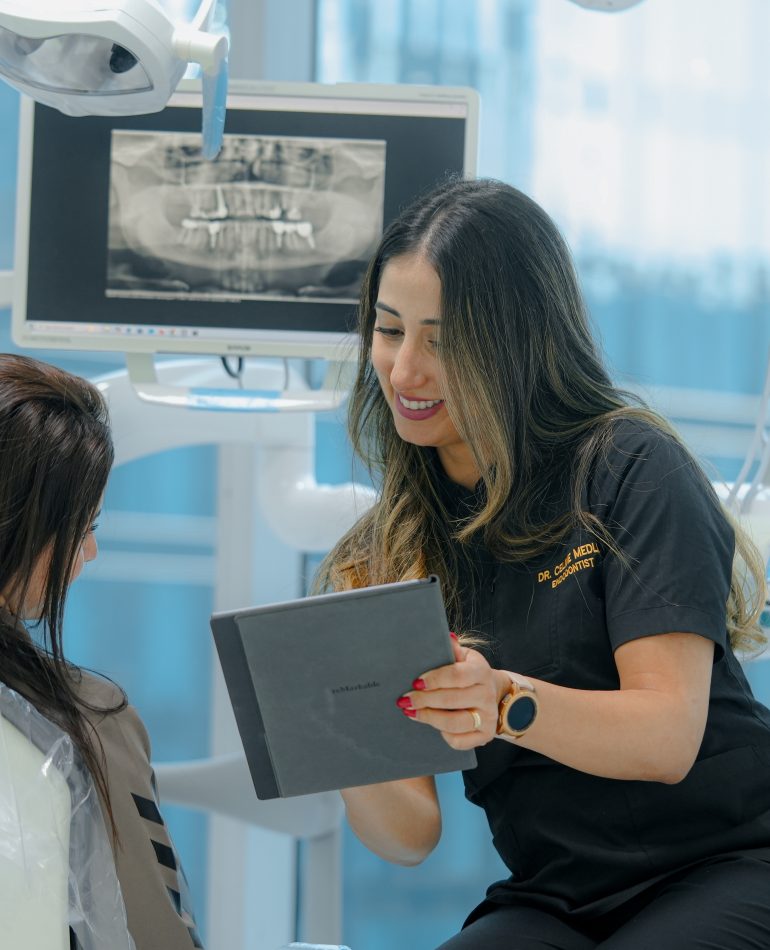
Dental Implants
Replace missing teeth with natural-looking dental implants. Our advanced methods also offer same-day dental implants for faster results.
FAQs About Oral Surgery
No. Procedures are performed with anesthesia or sedation so that you will feel minimal discomfort during surgery. Some mild soreness after the procedure is normal and can be managed with prescribed care.
Recovery depends on the type of procedure. Many patients return to normal activities in 1–3 days, though complete healing may take longer.
Yes, if sedation is used. A family member or friend should be present to help you after your appointment.
Soft foods, such as yoghurt, soup, and mashed potatoes, are recommended for the first few days. You can gradually return to your regular diet as you heal.
Preparation depends heavily on the type of anesthesia you will be receiving:
- For IV Sedation or General Anesthesia: You will typically need to fast (no food or water) for 8 hours before the procedure. You must arrange for a responsible adult to drive you home, as you will be groggy and legally unable to drive for 24 hours.
- For Local Anesthesia: You can usually eat a light meal a few hours before your appointment.
- Medications: Your surgeon will need a full list of your current medications. You may be asked to temporarily pause blood thinners or take prophylactic antibiotics before you arrive.
Proper hygiene is critical to prevent infection, but you have to be gentle.
- The First 24 Hours: Do not brush the teeth immediately adjacent to the surgical site, and do not spit vigorously or use mouthwash. Spitting creates suction that can pull the healing blood clot out of the socket.
- After 24 Hours: You can resume gently brushing your other teeth. To clean the surgical area, your dentist will usually recommend gently rinsing with warm salt water (half a teaspoon of salt in a cup of warm water) 2 to 3 times a day, simply letting the water fall out of your mouth into the sink.
A dry socket (alveolar osteitis) is the most common complication after a tooth extraction, particularly wisdom teeth.
- What it is: It happens when the blood clot that forms over the extraction site dislodges or dissolves before the wound heals, exposing the underlying bone and nerves to air and food. It is quite painful.
- How to prevent it: Avoid smoking, using straws, aggressive spitting, and carbonated beverages for at least 72 hours post-surgery.
While swelling and mild oozing are normal, patients should know exactly when to reach out for help. You should contact your dental surgeon immediately if you experience any of the following
- Bleeding that cannot be controlled by biting down firmly on a gauze pad for 30–45 minutes.
- A fever over 100.5°F (38°C) that persists.
- When swelling continues and worsens after the third day.
- Numbness in your lips, chin, or tongue that does not wear off after the anesthesia should be gone.