
Pro Teeth Whitening Treatment for a Sparkling Smile
Tooth color can change gradually, even with regular brushing and good oral hygiene. Coffee, tea, tobacco, certain foods, aging, and some medications can contribute to staining or discoloration. If your teeth no longer look as bright as you would like, professional teeth whitening may be worth considering.
At Oval Dental Clinic in Business Bay, Dubai, our teeth whitening approach starts with understanding why your teeth have changed color and whether whitening is right for you. Rather than choosing a teeth whitening treatment based on shade alone, a dental assessment helps set a realistic target while considering your enamel, gums, and existing dental work.
What Is Professional Teeth Whitening Treatment?
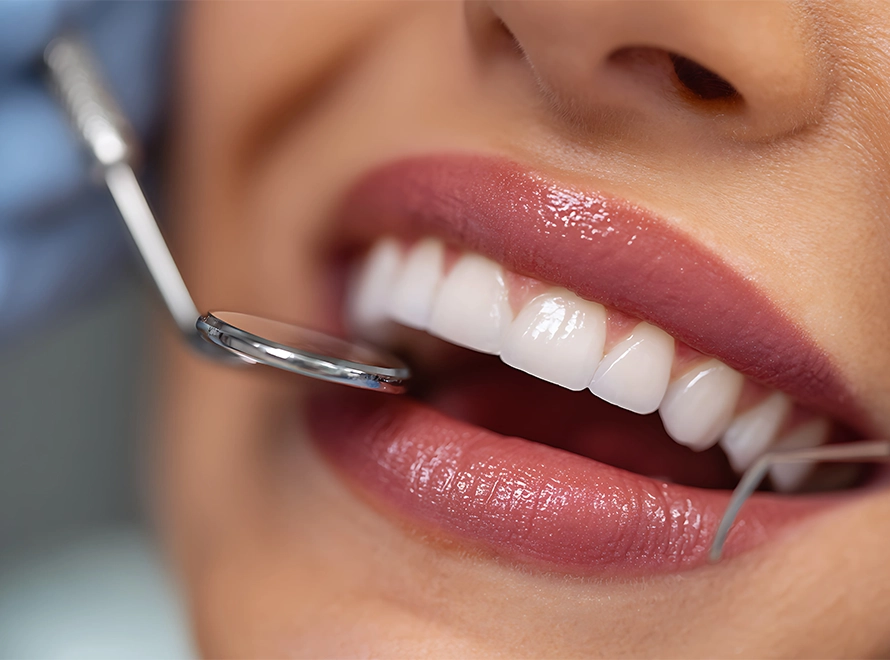
Teeth whitening treatment is a cosmetic dental procedure that uses approved bleaching agents to lighten your teeth’s natural color. Depending on the product and treatment method, active ingredients target discolored compounds within the tooth structure to reduce the appearance of stains.
A professional teeth whitening treatment begins with an examination to identify possible causes of discoloration and check for issues that may need attention before whitening. Cavities, gum inflammation, exposed tooth roots, or existing sensitivity may influence the treatment plan.
Professional teeth whitening treatment differs from ordinary toothpaste and surface stain removers. These products mainly remove surface deposits, while bleaching treatments can lighten certain types of discoloration within natural teeth.
Why Consider Teeth Whitening Services at Oval Dental Clinic?
Choosing a dental professional means your treatment can be planned around your teeth’s condition rather than relying on a standard product or one-size-fits-all schedule.
During your appointment, the dentist can assess the source of staining, discuss how much lightening may be achievable, and explain your options. This is especially important if you have sensitive teeth, fillings, crowns, veneers, or have had previous dental treatment.
Professional teeth whitening services may suit patients who want to improve the appearance of naturally discolored teeth before a special occasion or as part of regular cosmetic dental care. However, results vary between individuals, and whitening does not change the color of crowns, veneers, fillings, or other restorations.
Teeth Whitening for Smokers and Coffee Drinkers
Repeated exposure to tobacco, coffee, tea, and other strongly coloured substances can leave deposits on tooth surfaces. Over time, these stains may become more noticeable and affect your smile’s overall appearance.
Teeth whitening for smokers may help lighten certain types of tobacco-related discoloration, depending on the severity and nature of the staining. However, you may need a professional cleaning first if hardened deposits or surface buildup are present.
Whitening cannot prevent new stains from forming. Reducing tobacco use, rinsing with water after staining drinks, maintaining daily oral hygiene, and attending regular dental cleanings can help maintain your teeth’s appearance.
If you smoke, tell your dentist during the consultation. This lets your dentist factor your oral health and likely maintenance needs into the treatment plan.
Finding the Best Teeth Whitening Treatment for Your Needs
The best whitening method depends on your starting tooth shade, the cause of discoloration, your dental health, and your preferred approach.
Some patients may benefit from dentist-supervised whitening with custom-fitted trays, while others may be better suited to an in-clinic procedure. Products, application time, and expected color change can differ.
The best teeth whitening treatment isn’t necessarily the one that delivers the fastest or most dramatic results. A suitable approach should consider your enamel, existing sensitivity, dental restorations, and the likelihood of temporary discomfort.
Your teeth whitening dentist can explain what each option involves, how to use any prescribed products safely, and when you may need a review. Avoid combining multiple whitening products without professional guidance, as excessive or inappropriate use can increase irritation and sensitivity.
Best Teeth Whitening for Sensitive Teeth
Tooth sensitivity is an important consideration when planning cosmetic whitening. Some patients experience brief discomfort during treatment or increased sensitivity to cold drinks afterward. This is often temporary, although the intensity and duration can vary.
If you already experience sensitivity, tell your dentist before starting treatment. The assessment may identify contributing factors, such as gum recession, enamel wear, cavities, or exposed dentine, that need attention.
The best teeth whitening for sensitive teeth depends on the cause and severity of the sensitivity. Your dentist may recommend addressing the underlying problem first, using a suitable desensitizing toothpaste, or, when clinically appropriate, a more gradual whitening approach.
Don’t assume stronger whitening products will produce better results. Following professional instructions and avoiding excessive application can help reduce the likelihood of discomfort.
What Happens During a Teeth Whitening Appointment?
1. Dental Assessment
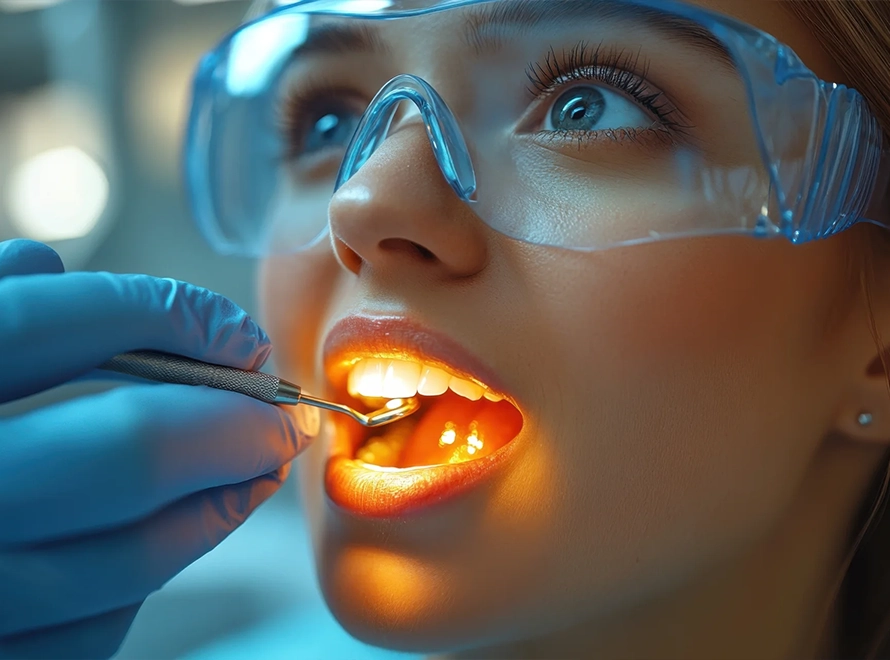
Your dentist examines your teeth and gums, reviews your dental history, and discusses the changes you want. The dentist identifies any concerns that could affect whitening suitability before treatment.
2. Choosing the Treatment Approach
After assessing your teeth, the teeth whitening dentist explains suitable whitening options, expected outcomes, possible side effects, and relevant limitations. The treatment plan is based on your individual circumstances.
3. Whitening Application
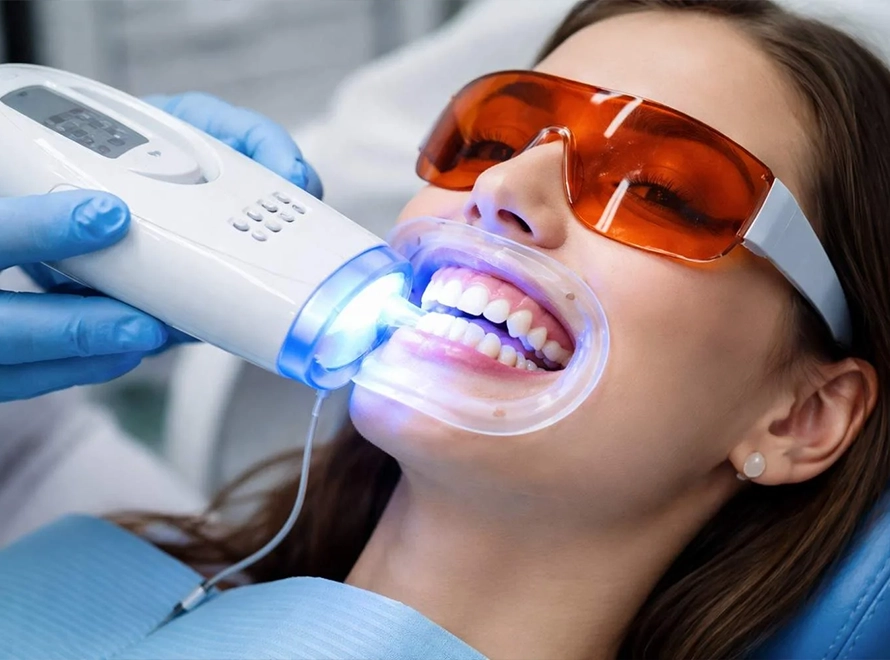
Depending on the method you choose, teeth whitening may be done in the clinic or with a dentist-supervised at-home system. If you choose in-clinic whitening, the dentist follows the product instructions and takes appropriate measures to protect the surrounding soft tissues.
4. Aftercare Guidance
You will receive advice on managing any temporary sensitivity and maintaining your results. If discomfort persists or becomes severe, contact your dental clinic for further assessment.
How to Maintain Your Whitening Results
Teeth whitening results aren’t permanent, and teeth can gradually darken again through natural aging, dietary habits, and tobacco exposure. How long the improvement lasts varies from one person to another.
To help maintain your results, brush twice daily with fluoride toothpaste, clean between your teeth every day, and attend routine dental appointments. Teeth whitening services remove surface deposits that build up over time.
If you regularly drink coffee or tea, consider reducing how often you consume them and rinsing with water afterward. Avoid smoking where possible, and consult your dentist before repeating a whitening course.
Book a Teeth Whitening Consultation in Business Bay, Dubai
A brighter smile starts with selecting a treatment that suits your teeth, not simply choosing the strongest whitening product available. At Oval Dental Clinic, a dental assessment can help determine whether professional whitening is right for you and which approach best matches your needs. Book a quick WhatsApp appointment today.
If you are looking for a teeth whitening dentist in Dubai, contact Oval Dental Clinic in Business Bay to discuss your concerns, understand the available options, and arrange a consultation.
Retailed services

Frequently Asked Questions About Teeth Whitening
1. How long does professional teeth whitening last?
The duration varies depending on your original tooth color, diet, smoking habits, oral hygiene, and the whitening method used. Results may gradually fade, and your dentist can advise whether further treatment is appropriate.
2. Is teeth whitening safe for sensitive teeth?
Whitening may still be possible for some people with sensitivity, but your dentist should assess the cause first. Your dentist can recommend an appropriate approach or address underlying dental problems before treatment.
3. Can teeth whitening remove smoking stains?
Professional whitening may reduce certain tobacco-related stains on natural teeth. The outcome depends on the type and severity of discoloration. Surface deposits may require professional cleaning, and continued smoking can contribute to new staining.
4. Will whitening change the color of crowns or veneers?
No. Whitening products do not lighten porcelain veneers, crowns, or tooth-colored fillings the same way they lighten natural enamel. Discuss existing restorations with your dentist before treatment.
5. How soon will I notice a difference?
The timing depends on the treatment method, product, original tooth shade, and type of staining. Some patients notice changes relatively quickly, while others require a gradual approach. Your dentist can explain what to expect.
6. Can I whiten my teeth at home?
Some patients are suitable for dentist-supervised home whitening using prescribed products and custom-fitted trays. Follow your dental professional’s instructions, and avoid unregulated products or excessive use.
7. What should I do if my teeth become sensitive after whitening?
Follow your dentist’s aftercare advice. A desensitizing toothpaste may help in some cases. If sensitivity is severe, continues beyond the expected period, or is accompanied by pain, contact your dentist for an assessment.