
Best Veneers in Dubai for a Striking Smile
Small differences in tooth color, shape, and alignment can affect a smile’s overall appearance. For patients who want to refine these details without changing their entire dental structure, veneers may offer a suitable cosmetic option. At Oval Dental Clinic in Business Bay, Dubai, we begin treatment planning with your existing teeth, personal preferences, and the results you hope to achieve.
Rather than making every tooth look identical, we aim to create a finish that complements your natural features. Whether you are concerned about worn edges, uneven tooth lengths, stubborn discoloration, or visible gaps, our dental team can help you explore appropriate treatment options.
Understanding Dental Veneers
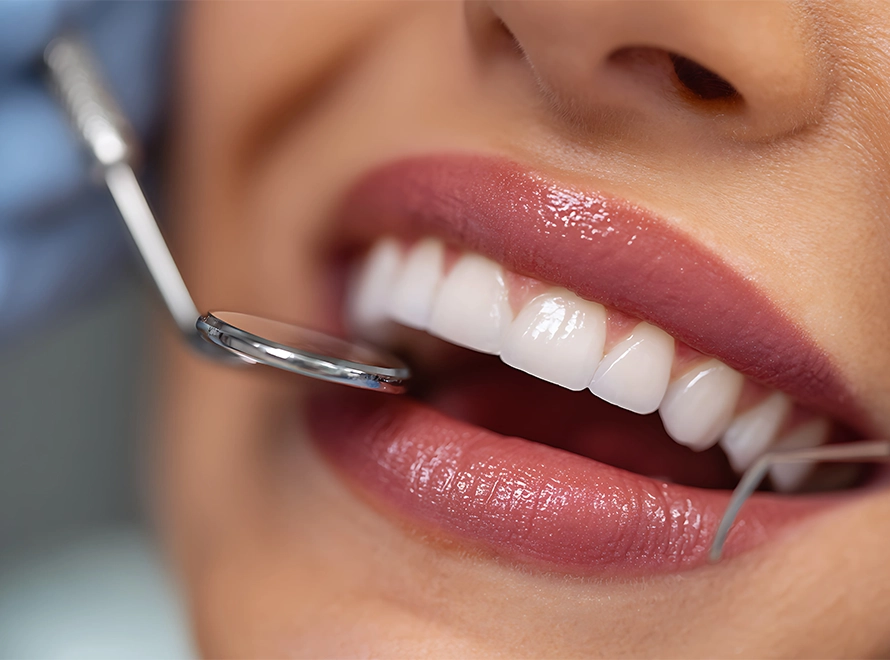
Dental veneers are individually designed restorations attached to the visible surfaces of teeth. They alter the appearance of selected teeth by modifying their color, contour, proportions, or surface characteristics.
Unlike teeth whitening, which changes the shade of natural enamel, veneers cover the front of a tooth with a carefully planned restoration. This makes them an option for certain cosmetic concerns that bleaching alone may not resolve.
Veneers may be considered for:
- Tooth discoloration that remains noticeable after professional whitening
- Rough, chipped, or uneven incisal edges
- Small spaces between neighboring teeth
- Teeth that appear too short, narrow, or irregularly shaped
- Differences in the appearance of teeth across the visible smile
Your teeth’s condition remains an important consideration. Your dentist will examine your enamel, gums, existing fillings, and bite before deciding whether veneers are right for you. Cosmetic improvements should not come at the expense of dental health.
Exploring Your Veneer Options
No single material suits every patient. The right choice depends on how much change you need, your natural teeth’s characteristics, and how the final restorations need to function.
Emax™ Veneers: Ceramic with Natural Light Reflection
Emax™ veneers are produced from lithium disilicate glass-ceramic. This material is valued for its ability to reproduce the depth and light transmission associated with natural teeth.
For patients who prefer a realistic finish rather than an opaque appearance, Emax™ may be worth considering. Emax laminate veneers can be planned to refine the shade, outline, and proportions of selected teeth, provided the underlying dental condition allows for this type of restoration.
Material selection is only one part of the process. Tooth preparation, existing enamel color, bite pressure, and the design of each veneer also affect the final appearance. Your dentist will discuss these factors before recommending a particular option.
Full Veneers for a Consistent Smile Appearance
The term full veneers is often used when several teeth are treated together as part of a broader cosmetic plan. The number of restorations needed varies with the teeth visible when talking and smiling, the extent of the concerns, and the desired result.
Treating multiple teeth can help create greater consistency in color and shape. However, covering every visible tooth isn’t always necessary. In some cases, fewer carefully planned restorations may achieve the intended improvement while preserving more natural tooth structure.
Are Veneers Suitable for You?
Veneers are generally considered for adults with healthy teeth who want to address cosmetic concerns. They may be appropriate when the underlying tooth structure is strong enough to support the restoration and the bite can accommodate the proposed changes.
Certain conditions need attention before cosmetic treatment. Untreated cavities, inflamed gums, significant enamel damage, and pronounced bite problems may affect whether veneers are suitable. Patients who habitually clench their jaws or grind their teeth need an individual assessment because excessive forces can damage restorations.
Your consultation at Oval Dental Clinic gives you a chance to discuss what bothers you about your smile, review treatment options, and understand each approach’s limitations. If another treatment could preserve more natural tooth structure, we should consider it.
What Happens During Veneer Treatment?
Initial Dental Examination
The first appointment includes a review of your dental health and a discussion of the changes you want to see. Your dentist assesses your teeth, gums, bite, and visible smile to determine whether veneers are a reasonable option.
Planning the Shape and Shade
The proposed design considers tooth proportions, facial features, neighboring teeth, and your preferred shade. The goal is a natural-looking result in everyday settings, not just under clinic lighting.
Preparing the Teeth
Some veneer treatments require removing a thin layer of enamel so the restorations fit correctly. The amount depends on the material you choose, the tooth’s position, and the intended design. Preparation is irreversible when enamel is removed, so your dentist will explain the proposed changes beforehand.
Fitting the Custom Restorations
Once the dentist has fabricated the veneers, they check the fit, color, contours, and relationship with the opposing teeth. After any necessary adjustments, the dentist bonds the restorations into place using appropriate dental materials. The final checks focus on comfort, appearance, and bite function.
Choosing the Best Veneers for a Striking Smile
The best veneers meet your clinical requirements and aesthetic preferences without unnecessary treatment. A very bright shade or dramatic change in tooth shape may not suit every smile.
When considering your options, ask about material differences, how much enamel preparation is required, maintenance expectations, possible complications, and the likelihood of future repair or replacement.
Ceramic restorations may provide excellent aesthetics in suitable cases, while composite bonding, professional whitening, or orthodontic treatment may be preferable for other concerns. For example, teeth whitening can improve the shade of natural teeth without covering them, while orthodontics addresses tooth position rather than disguising it.
At Oval Dental Clinic, we tailor recommendations to your individual examination and treatment goals, not a predetermined number of veneers.
Maintaining Your Veneers Over Time
Although ceramic surfaces resist many everyday stains, veneers still need regular care. Plaque can accumulate around the edges, and the natural teeth supporting the restorations remain vulnerable to decay and gum disease.
To help protect your results, brush morning and evening with fluoride toothpaste, clean between your teeth daily, and attend routine dental reviews. Avoid chewing ice, biting hard objects, or using your teeth to tear open packaging.
If you grind your teeth, ask your dentist whether a protective night guard would be appropriate. Report any new sensitivity, rough edges, movement, or discomfort rather than waiting until your next scheduled appointment.
Veneers aren’t maintenance-free, and their longevity depends on the material, oral hygiene, bite forces, and individual habits. Regular monitoring helps your dentist spot changes before they become more serious problems.
Discuss Your Smile Enhancement at Oval Dental Clinic
Deciding whether to have veneers involves more than choosing a shade or material. It requires understanding your dental health, what changes are realistically achievable, and the long-term responsibilities that come with cosmetic restorations.
At Oval Dental Clinic in Business Bay, Dubai, you can discuss your concerns with a dental professional and explore whether Emax veneers, another veneer material, or a different cosmetic treatment would be appropriate for your situation.
Book a consultation to receive an individual assessment and a treatment recommendation based on your teeth, preferences, and oral health needs.
Retailed services

Frequently Asked Questions About Veneers
1. How many years can veneers last?
Veneers can last many years, though no fixed lifespan applies to every patient. Material quality, bonding, bite pressure, home care, and routine dental monitoring all influence how long they remain in good condition.
2. Will my teeth need to be shaved for veneers?
Some veneers require limited enamel reduction, while selected cases may allow more conservative preparation. The appropriate method depends on tooth position, existing enamel, and the desired design. Discuss any irreversible preparation before treatment.
3. What makes Emax veneers different?
Emax veneers use lithium disilicate ceramic, which offers favorable optical properties and strength for appropriate clinical applications. Their suitability depends on the individual tooth, bite, restoration design, and amount of correction required.
4. Can veneers make uneven teeth look straighter?
They can change the visible contours of mildly irregular teeth, creating the appearance of a more uniform smile. Veneers do not reposition teeth, and significant alignment concerns may be better managed with orthodontic treatment.
5. Can veneers develop stains?
Ceramic veneers resist surface staining, but the natural teeth around them can change color over time. Deposits may also build up along the gumline or restoration margins, so daily cleaning and regular professional maintenance are important.
6. Are veneers suitable for every adult?
No. Healthy gums, sufficient supporting tooth structure, and a suitable bite are important considerations. Existing decay, gum disease, extensive tooth damage, or uncontrolled grinding may require treatment or an alternative approach first.
7. Can I change my veneer shade later?
Changing the shade of an existing ceramic veneer usually involves replacing the restoration rather than whitening it. Therefore, it’s important to discuss color preferences carefully before fabrication and placement.